User Presentations
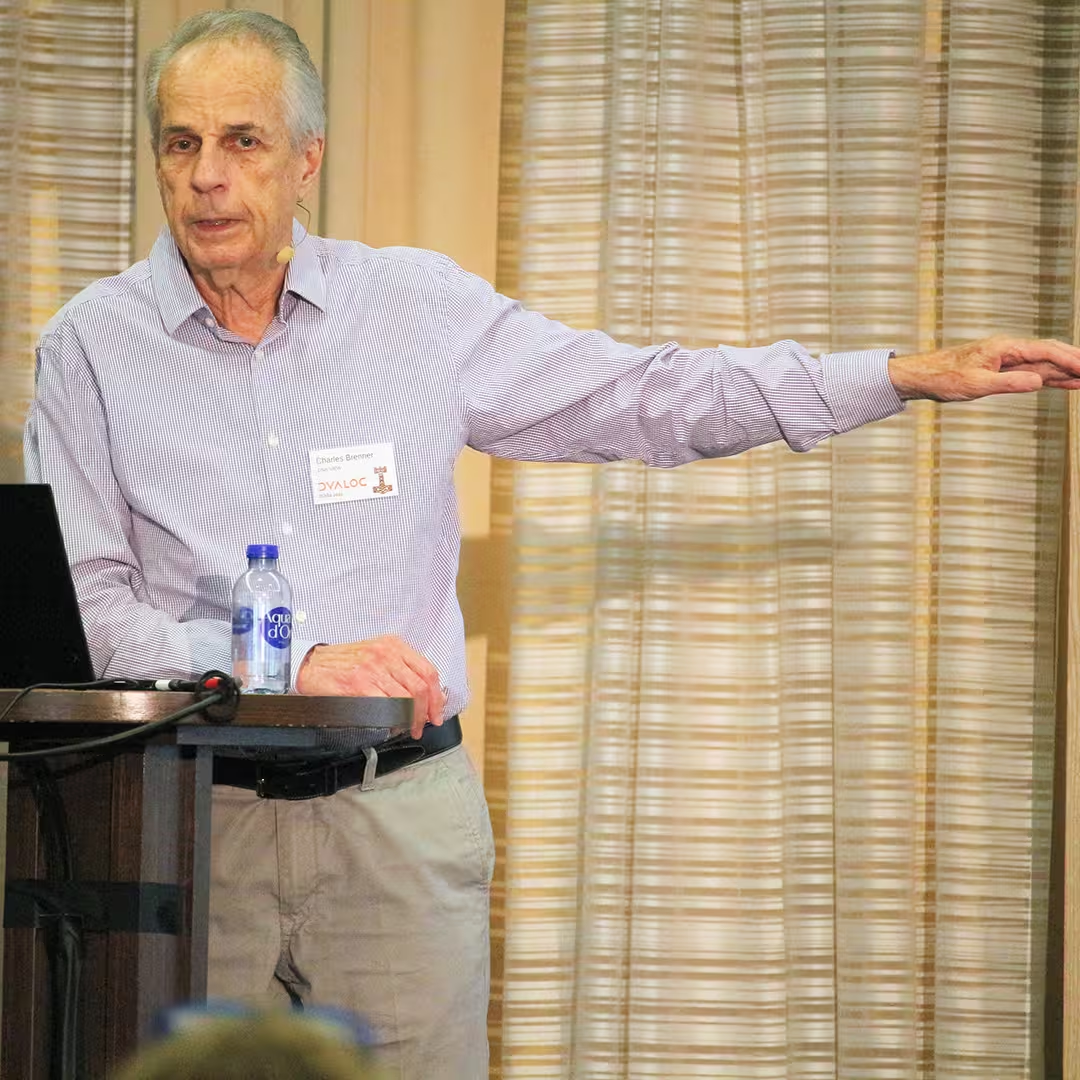
U01: One-Time Pure Mathematician Corrupted by Exposure to APL Loses Moral Compass and Discovers, after Several Mis-Steps, a Useful Numerical Integration Method summary | slides (PPTX) | slides (PDF) | video (31 mins)
Charles Brenner, DNA-View (U.S.A.)
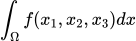
Numerical integration is a computer task that arises in many practical problems. It is a key step in the evaluation of forensic DNA evidence that requires integrating a function likely of two to five variables corresponding to the number of people whose DNA comprises the evidential sample. Integrating a function of one variable1 by computer is familiar ground. For several variables2 there is some deep and technical literature, based on a superficially obvious extrapolation of one-variable integration. Charles will discuss an evidently elusive though simple and natural alternative extrapolation that overcomes multiple shortcomings of the published methods.
Referenced equations:
1:  and 2:
U02: Lift-Off from APL2 Mainframe to Dyalog in the Cloud summary | slides (PPTX) | slides (PDF) | video (25 mins)
Gilgamesh Athoraya, Tiamatica AB (Sweden)
This is the story of an ongoing project to move a large APL2 mainframe system to Dyalog on a modern platform. Gilgamesh presents the obstacles encountered and the milestones achieved in this ambitious endeavour.
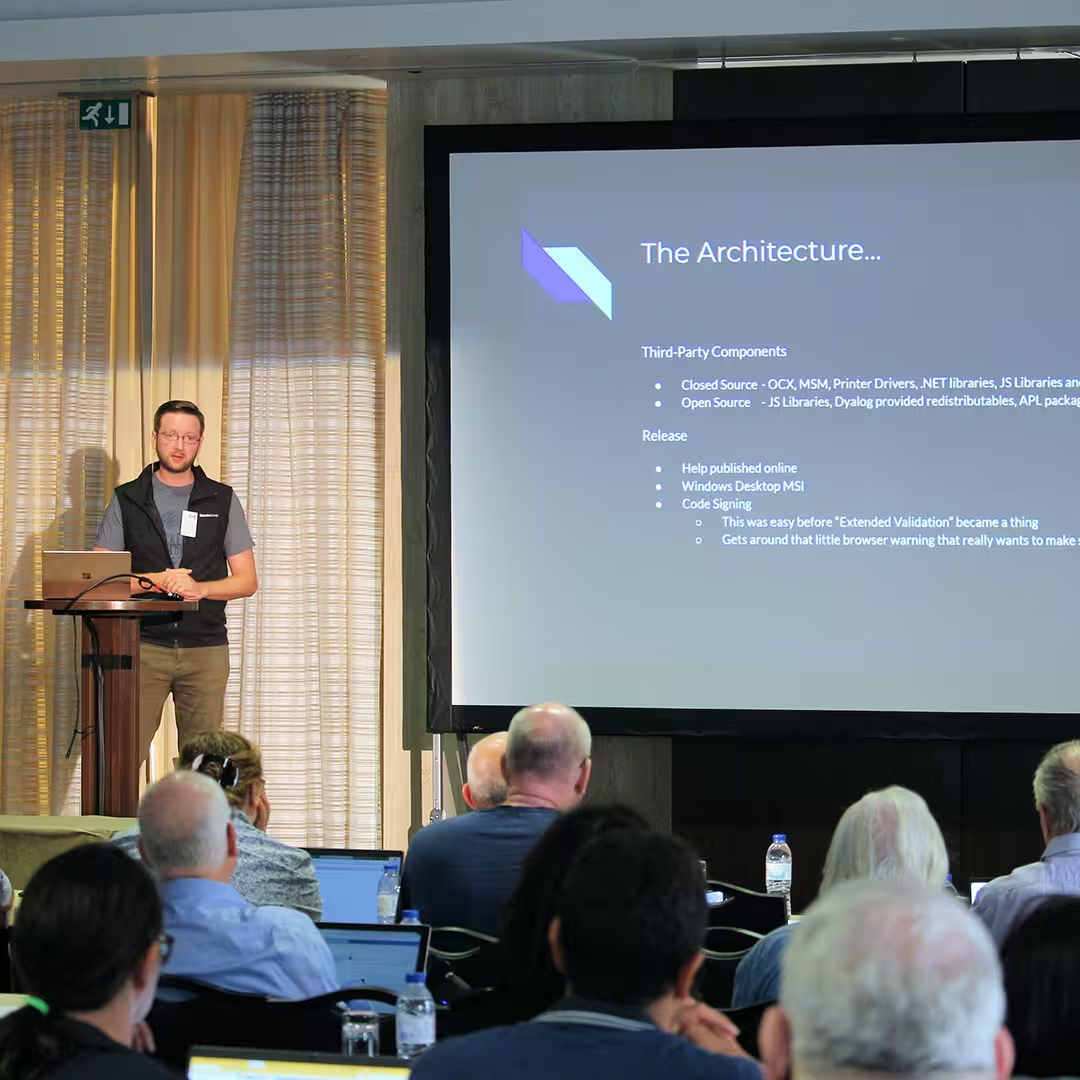
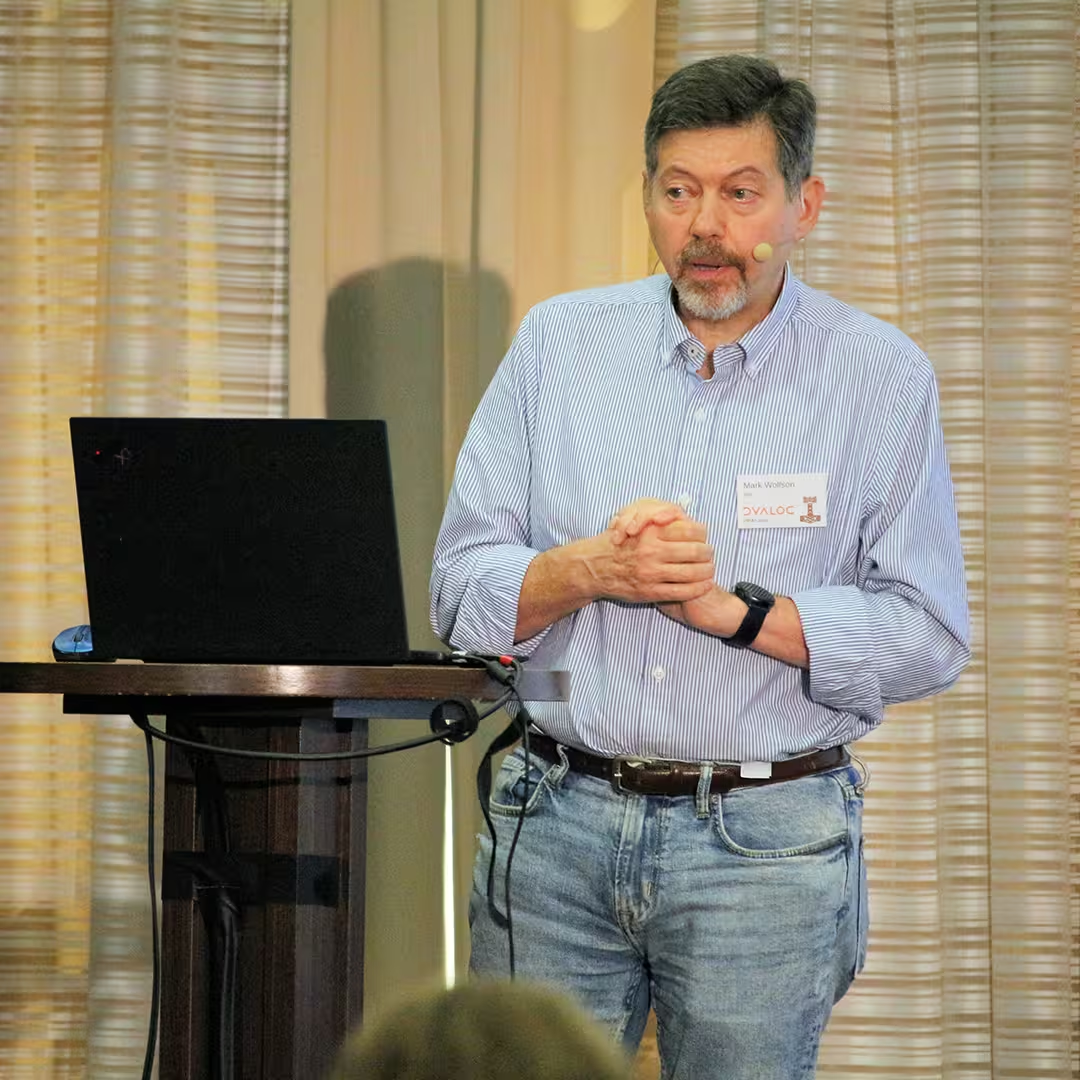
U03: Rebuilding a Production APL Environment using Dyalog summary | slides (PPTX) | slides (PDF) | video (30 mins)
Mark Wolfson, BIG (U.S.A.)
BIG is a company in the jewellery industry that integrates with dozens of systems to import data from 1,000 retailers. The data is used to provide inventory analysis and merchandising consulting for the retailers, to provide sell-through data to manufacturers, and to integrate to several industry service companies. The end-user tools, and the integration applet, are written in C#, ASP.Net, JavaScript, MSSQL, and KendoUI.
APL was chosen to handle all data-related tasks, from processing the incoming data to infinite customisations of the data for customer use. Using the data manipulation capabilities, modular design, and rapid development capabilities of APL, BIG can respond quickly to user requests and changing data streams and configurations. The data comes in to BIG's servers in dozens of configurations, different numbers of files, different file formats, and inconsistent content. APL is used to transform this data to a standard upload into the production MSSQL database, normalising the formats and often converting the jumble of information into usable data.
For 15 years, BIG have used an organically-grown IBM APL2 environment that uses Microsoft Windows scheduled tasks to call .bat files to invoke APL2 to process the data at the time it is expected to come in. Over the past year, Mark has created an entirely new production environment using Dyalog that uses:
- Windows Service to monitor incoming data and call the appropriate processes when it arrives.
- SQAPL to communicate directly with the production database.
- ⎕CSV, ⎕XML, and ⎕JSON to read from files of those types.
- .NET integration to connect to DLL libraries for utilities including ClosedXML for reading/writing Microsoft Excel files.
- HTTP calls to read from external APIs.
- ]Link to read/write to text files containing the APL code.
- source control for production code.
All code for the new environment is stored in text files (.aplf) and is brought into the running workspace as needed, and source control is used to share code within the team.
U04: A Modern APL Workbench summary | workbench materials (GitHub) | WSL2-Ubuntu materials (GitHub) | DuckDB (GitHub)
Kimmo Linna, Finnair (Finland)
In addition to being an Airbus Captain at FinnAir, Kimmo prepares analyses that are used for operational optimisation and negotiation between the airline and staff. He has constructed his own workbench for data analytics, with Dyalog at the centre of a collection of modern tools: DuckDB for data storage and queries, Vega-lite for graphics, Jupyter Notebook for presentations, and Visual Studio Code and GitHub Copilot for managing the code. In this presentation, Kimmo demonstrates the workflow that he has been able to achieve with this collection of tools. All his interfaces are available as GitHub projects.
U05: An APL to Vega-lite Interface summary | Vega-lite materials (GitHub) | Jupyter/Vega-lite materials (GitHub)
Kimmo Linna, Finnair (Finland)
For many years, Kimmo has been searching for a modern replacement for Adrian Smith's RainPro graphics package, which is oriented towards printed output and cannot easily produce interactive web-oriented graphics. His current choice is Vega-lite, which is a "high-level grammar of interactive graphics" that can easily be driven from APL using JSON input. Kimmo describes his search for a new graphics library, and explores the mechanics of the interface.
U06: From "I Developed and Tested It" to "I Developed, and My CI Tested It" summary | slides (PDF) | all materials (GitHub) | video (25 mins)
Lars Stampe Villadsen, SimCorp A/S (Denmark)
All developers test their solutions and, if they are seasoned, they build functions that test those solutions for them – if they are "modern" they automatically run their test functions using Continuous Integration (CI). Lars demonstrates how everyone can move from the initial step to the last step using standard (free) tools for APL where the code is maintained in files.
U07: Automating Application Builds with AWS summary | slides (PPTX) | slides (PDF) | video (26 mins)
Norbert Jurkiewicz, The Carlisle Group (U.S.A.)
The application build process should be automated and always use a consistently clean environment. In this high-level overview about using Amazon AWS resources for on-demand releases, Norbert covers:
- building a new VM.
- installing Dyalog and other development tooling.
- downloading source code and dependencies.
- building and compiling the application.
- uploading MSIs to a cloud provider.
U08: Semi-Globals and Multi-Threading are Like Chalk and Cheese summary | slides (PPTX) | slides (PDF) | video (24 mins)
Elena Paviotti, SimCorp Italiana (Italy)
30 years ago, SimCorp Sofia started as a single-threaded application, (ab)using lots of global and semi-global variables. As new technologies emerged, Sofia evolved into a multi-threaded client-server application. Adapting old code often proved difficult; Elena describes some of the issues encountered over the years, and how they approached – and (hopefully) solved – them.
U09: APL on the Side summary | slides (PDF)
Justin Dowdy, Semantic Arts (U.S.A.)
Dyalog users are fortunate to be able to use APL for an entire project when it is a good fit. Traditional software engineers that are interested in APL often have to find ways to use APL on the side or incorporate APL thinking into their professional work. April* and May are two projects that allow APL to be evaluated from Common Lisp and Clojure, respectively. These projects allow APL to be incrementally employed in projects that don't currently use APL. Justin describes these projects and the ways that he uses them.
* For more on the April compiler, see APL Seeds '22 presentation U02.
U10: Scheduling Array Operations summary | slides (PDF) | video (22 mins)
Juuso Haavisto, University of Oxford (U.K.)
Scheduling array operations has been a topical theme in the research of tensor computation. With the help of type theory, array operations are parallelised for graphics processing units and distributed computing. Juuso shares his findings in static scheduling, and how it can be used to optimise execution over different hardware and compute infrastructure settings.
U11: Performance of Dyalog APL – A Historical Perspective summary | slides (PDF) | video (20 mins)
Veli-Matti Jantunen, Statistics Finland (Finland)
Veli-Matti has been using Dyalog since 1995, and has always been interested in the performance of his APL code. In this presentation, he examines how the performance of operations that are important to his applications have evolved over almost three decades.
U12: TAMPA – Taming Mathematical Programming in APL summary | slides (PPTX) | slides (PDF) | video (24 mins)
Stephen Mansour, Misericordia University (U.S.A.)
Mathematical programming is a technique that can be used to optimise resources. The typical mathematical notation for linear optimisation is:
max c'x subject to Ax ≤ b
where x is a vector of decision variables, b is a vector of constraints, c is a vector of unit profits, and A is a matrix of resource usage. We can create similar-looking expressions using standard APL syntax, that is:
NS ← max c x subjectTo A x ≤ b
Stephen demonstrates this using TAMPA, a linear programming system written in Dyalog. A user interface for TAMPA has been written in Abacus, an HTML framework for Dyalog.
U13: Integrating HTMLRenderer Into Existing Applications summary | slides (PPTX) | slides (PDF) | video (31 mins)
Norbert Jurkiewicz, The Carlisle Group (U.S.A.)
HTMLRenderer is the most powerful addition to Dyalog in the last 10 years – there's never been greater ability to create modern interactive user interfaces. Norbert describes how The Carlisle Group are upgrading parts of their legacy Microsoft Windows application to take advantage of these new UI abilities while retaining a uniform theme. Integrating these complex environments comes with new challenges that require learning new programming environments (JS) and new ways to design application architecture… Async anyone?
U14: How I Won the APL Problem Solving Competition (Professional Entrant) summary | slides (ODP) | slides (PDF) | video (24 mins)
Michael Higginson, independent (Canada)
Michael is the winning professional entrant of the 14th annual APL Problem Solving Competition. A newcomer to APL, he describes what led him to the competition and his experiences using it as a vehicle to learn APL/Dyalog, and explores some of the approaches and solutions behind his successful entry.
U15: How I Won the APL Problem Solving Competition summary | slides (PDF) | video (41 mins)
Tzu-Ching Lee, National Tsing Hua University (Taiwan)
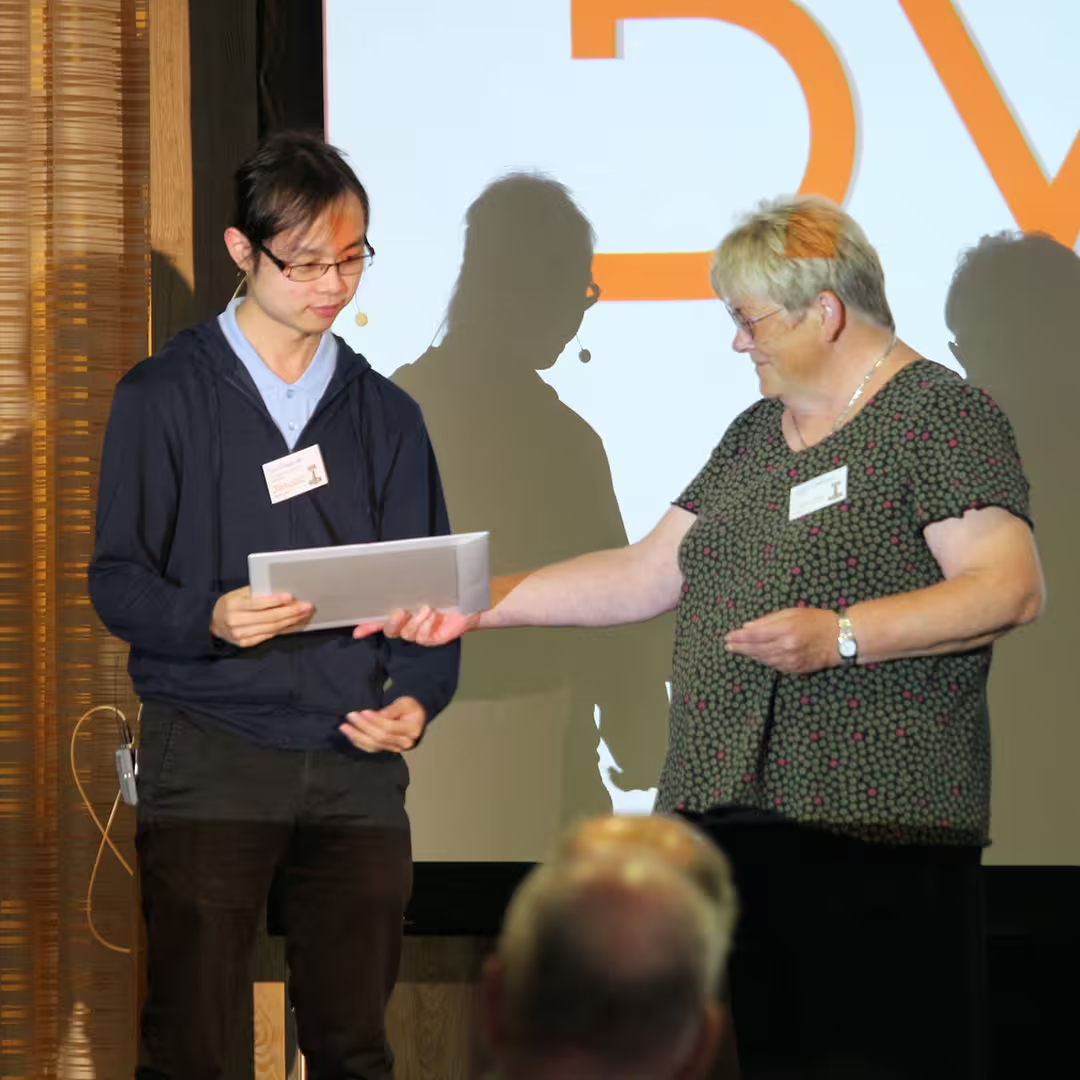
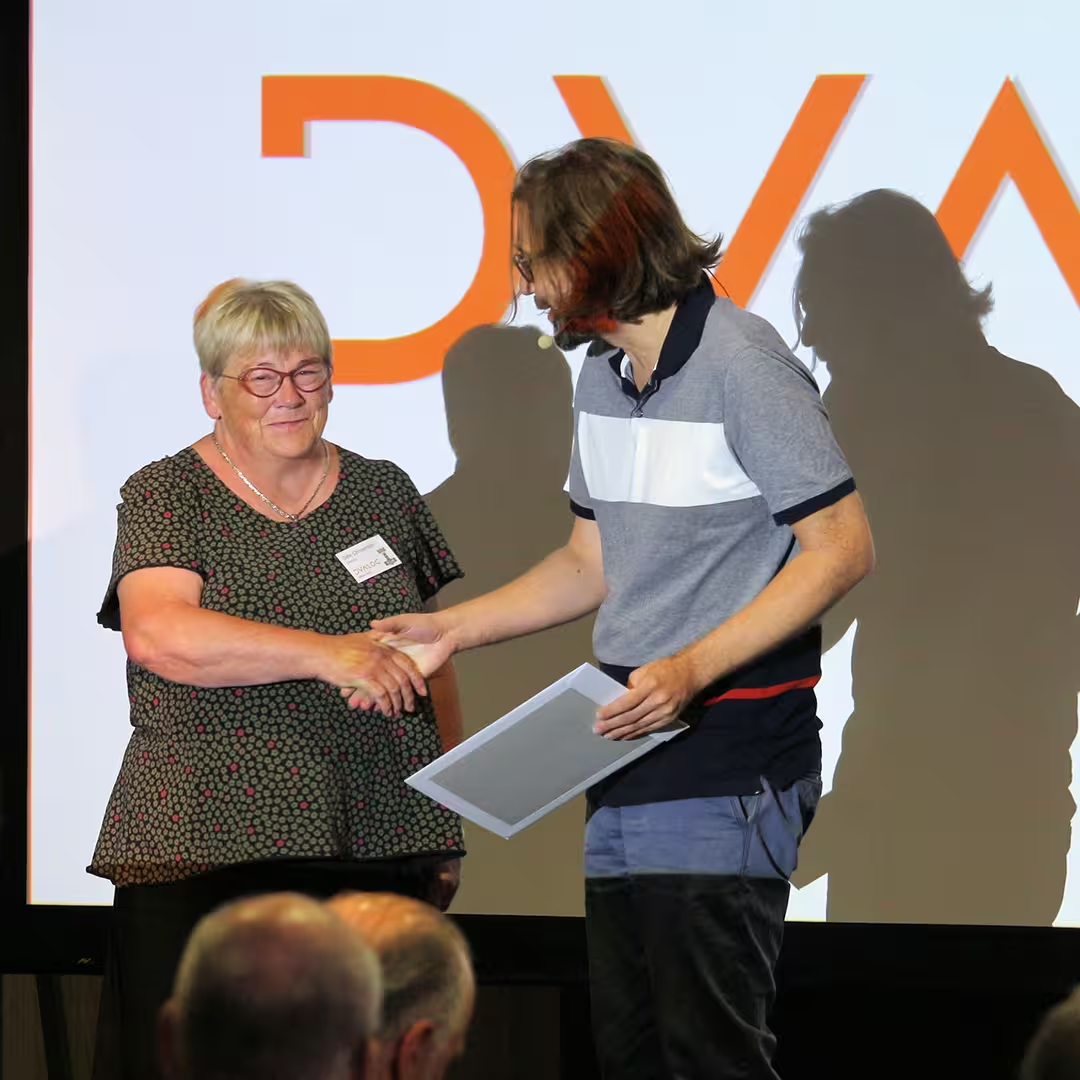
Lee is the grand prize winner of the 14th annual APL Problem Solving Competition. Following the award ceremony, he describes his experiences of APL/Dyalog and tells us how he managed to master enough of it to win the competition.
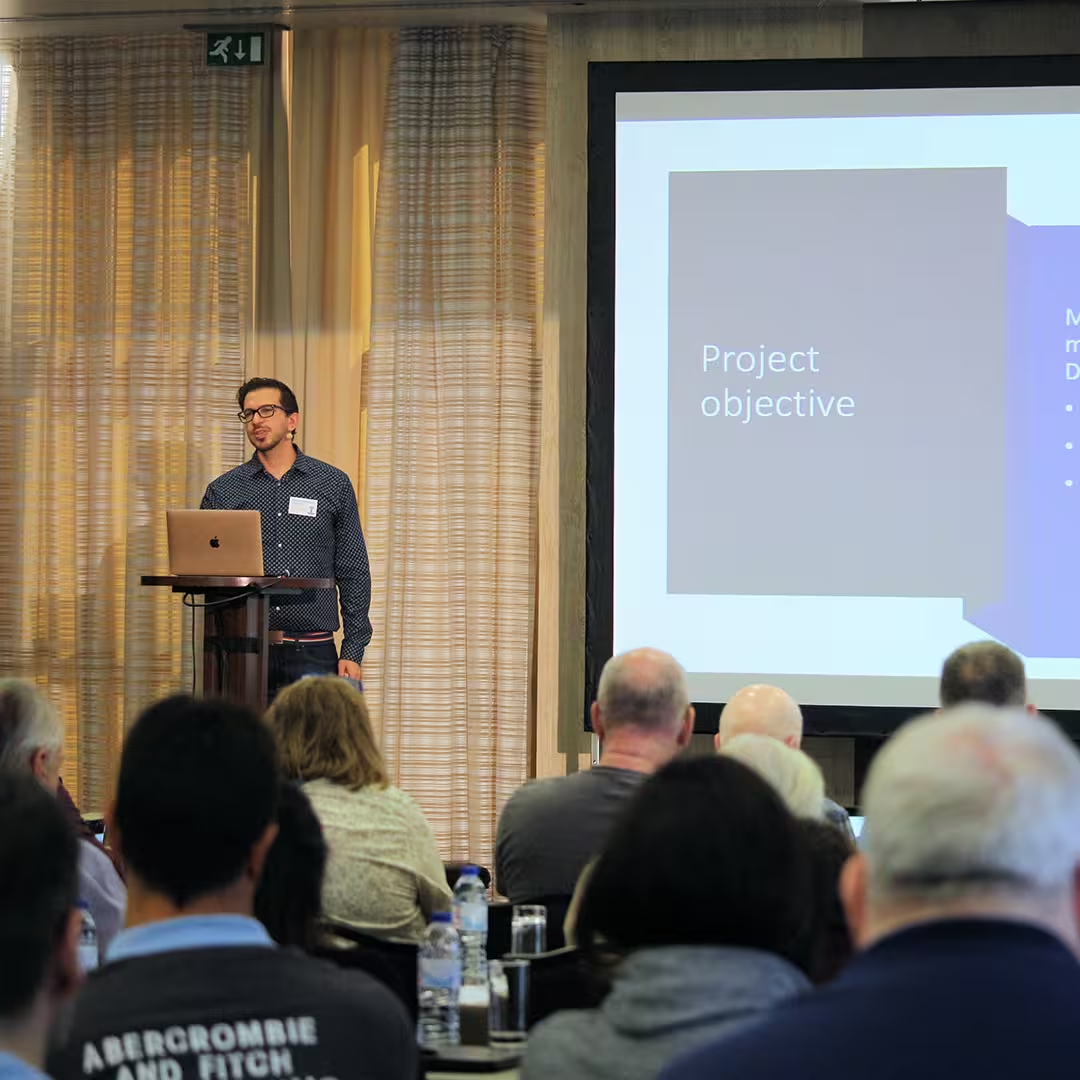
U16: Dyalog and Academia summary | slides (PDF) | video (20 mins)
Jesús Galán López, Delft University of Technology (The Netherlands)
Jesús and Gitte introduce the plan for bringing Dyalog back into academia. The final objective is to position Dyalog as a useful tool for scientific research and education, and make the academic world aware of the power of APL. This work will be done in collaboration with the Materials Science department at Ghent University (in Belgium), which will serve as a real example of an academic research environment with programming problems that can be better solved with APL.
U17: What – Another APL Book? summary | slides (PPTX) | slides (PDF) | video (15 mins)
Ray Polivka, Polivka Associates (U.S.A.)
Ray is working on another APL textbook and is at the point where he needs feedback!
There exists an important group of people who should be exposed to APL – students aged 14-18 years old. Ray's book is intended for this audience. It also could benefit college students who need to be exposed to computer languages, but do not want to study computer science.
The text does not cover all aspects of APL; instead, it focuses on introducing students to the APL language. It accomplishes this through many illustrations and exercises. Ray has been working on this for several years and the text is now at a point where he believes it could benefit greatly from your views and comments.
Download the draft and send feedback